LUFS in plain terms
LUFS measures average loudness over time. Spotify and most major services aim around −14 LUFS integrated for music; Apple Music uses Sound Check in a similar ballpark. That does not mean your mix must already sit at −14 — it can be quieter as long as headroom remains for mastering.
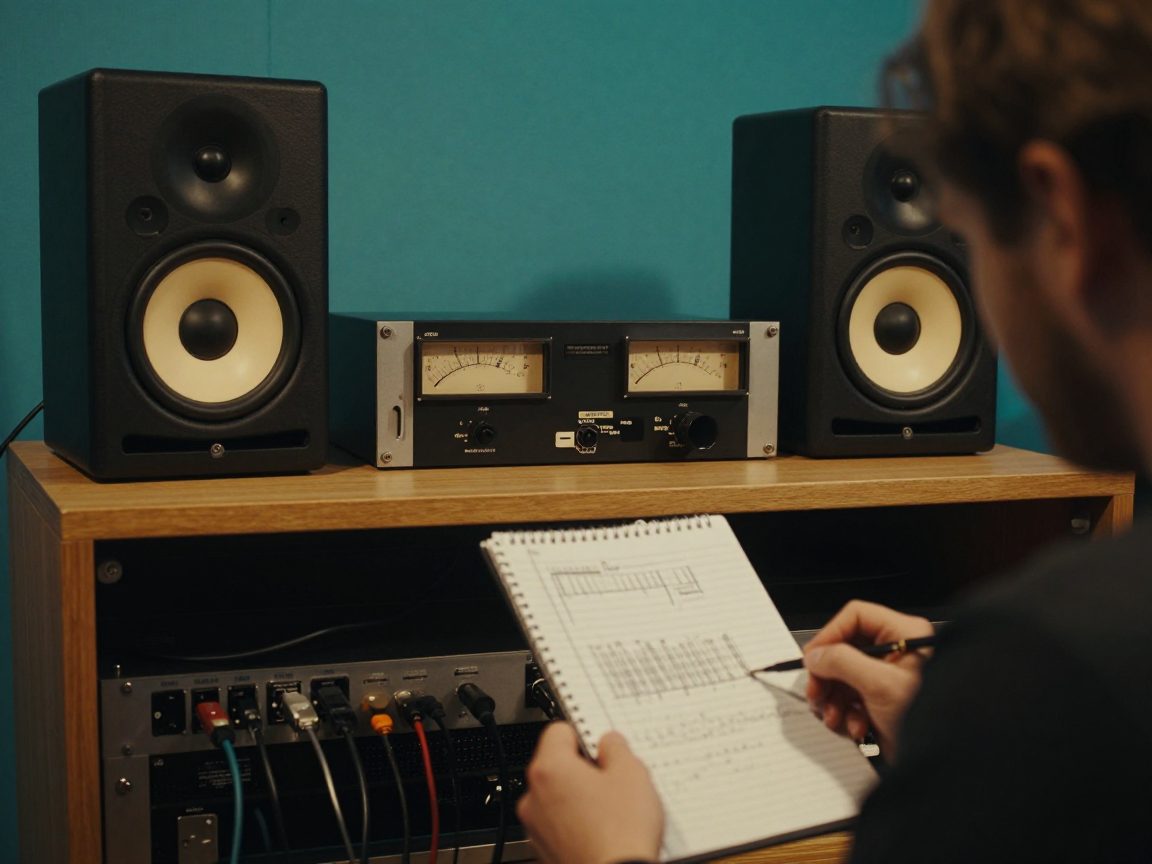
We measure in our mastering suite on calibrated monitors. The goal is a coherent album experience, not matching an over-limited YouTube reference.
Mix headroom before mastering
Send a stereo mix without a limiter on the master bus unless we agree otherwise. Peaks up to −1 dBTP are safe; we prefer space around −3 to −6 dB on sections that already feel full. If the mix is brickwall-limited, the mastering engineer has little dynamics left — we may need a remix via mixing.
For EPs, list track order and any crossfades. EP mastering up to six tracks is €449 incl. VAT; singles are €99 per track incl. VAT.
Platform targets without myths
−14 LUFS is a normalisation anchor, not a mandatory export level. A dynamic ballad can measure quieter; an uptempo track can sit hotter if true peaks stay controlled (often −1 dBTP or lower for lossless upload). Vinyl and broadcast need different margins — name the medium in contact.
We deliver masters for streaming, download and optional DDP for pressing; exact specs are confirmed in the quote. No result sounds identical on every phone speaker — we aim for translation on earbuds and monitors.
Using references well
Reference tracks help tone and balance, not absolute loudness. A normalised stream sounds hotter than your mix bounce. Say what to borrow: bass weight, vocal air, snare transient.
Two references beat twenty conflicting ones. After mastering you get 2 revision rounds within scope; a fresh mix counts as a new job.
Workflow at Milepostvivo
Noor van Dijk handles mix and mastering in Amsterdam. Intake via contact: upload mix WAV, note BPM/key if useful, single or EP. We reply within 2 business days with price and timeline.
Files stay 24 months on our side. Keep your own master archive; we are not permanent cloud backup. See terms and conditions for payment and delivery.
From mix export to master
Export the mix as 24-bit WAV at your session sample rate. Skip dither on silence if you bounce 32-bit float — we dither on downconversion. Leave a short end fade; avoid long digital silence tails.
If corrective mastering needs stems, read stems and formats first. Vocal fixes often belong in vocal recording or a remix, not a limiter shortcut.
Measuring at home
Use a LUFS meter on the mix bus for guidance only. Measure integrated over the full song, not only the chorus. True-peak metering catches inter-sample clips codecs penalise.
Headphones and laptop speakers mislead; check mono with a utility. If the mix collapses in mono, mastering alone will not fix it.
Summary
- Mix without a master limiter; true peak well below 0 dBFS
- Streaming normalises; dynamics are not a penalty
- Refs for tone, not for absolute LUFS matching
- Master from €99 per track, EP bundle €449
- Revisions: 2 rounds, scope agreed upfront
Loudness or vinyl questions? Contact us or read the disclaimer for limits of online tips. You distribute via your own aggregator — we do not upload releases for you.